Contact Us

    Lalit Kumar Jain: A Journey of Struggle, Vision, and Landmark Projects

    Lalit Kumar Jain is not just a name in Indian real estate; he is a story of vision, resilience, and purpose-driven leadership. Widely known as the “Green Man of Pune,” Lalit Kumar Jain has earned admiration for building not just structures, but sustainable communities rooted in trust and long-term value. With over three decades of experience, his journey reflects how discipline, learning, and perseverance can transform challenges into lasting success.

    Today, under his leadership, Kumar Builders stands as a benchmark for quality, sustainability, and reliability. But this success was not instant—it was shaped by years of learning on the ground, navigating challenges, and staying committed to ethical development even in a highly competitive industry.


    Early Life, Education, and the Foundation of a Vision

    Lalit Kumar Jain’s interest in construction and urban development began at a young age. Determined to follow his passion, he pursued civil engineering at Dnyaneshwar Vidyapeeth, Pune, where he gained a strong technical foundation in construction, structural analysis, material science, and environmental engineering.

    His education went beyond textbooks. It shaped his understanding of urban planning, sustainability, and responsible development, concepts that later became central to his work. This academic grounding equipped him with both technical expertise and a broader vision—one that balanced growth with environmental responsibility.


    Entering Real Estate at 17: Learning from the Ground Up

    Unlike many industry leaders who begin at the top, Lalit Kumar Jain entered real estate at just 17 years old, working as a site supervisor. This early exposure gave him first-hand experience in large-scale construction, labour management, timelines, and quality control.

    These formative years were demanding. The real estate sector was highly competitive, funding was difficult to secure, and navigating regulatory frameworks required patience and strategic thinking. However, these challenges shaped Jain’s core principles:
    transparency, time-bound delivery, customer-centricity, and eco-friendly development.

    One of his early residential projects in Pune became a defining milestone. Managing a large construction site while maintaining quality and sustainability standards was no easy task, but its successful completion marked his emergence as a promising young leader in the industry.


    The Growth of Kumar Builders: Values Turned into Scale

    Under Lalit Kumar Jain’s visionary leadership, Kumar Builders evolved from modest beginnings into one of India’s most respected real estate brands. With a legacy spanning 58 years, the company has delivered:

    • 50+ completed projects

    • 60 million sq. ft. constructed

    • 100+ awards

    What distinguishes Kumar Builders is not just scale, but consistency in quality and ethics. Sustainability became the brand’s hallmark, earning Jain his reputation as Pune’s Green Man. Green buildings, energy efficiency, and conservation of natural resources became non-negotiable standards across projects.


    Landmark Projects That Reflect His Vision

    Among Kumar Builders’ extensive portfolio, three projects clearly reflect Lalit Kumar Jain’s philosophy of thoughtful, sustainable, and community-centric development.

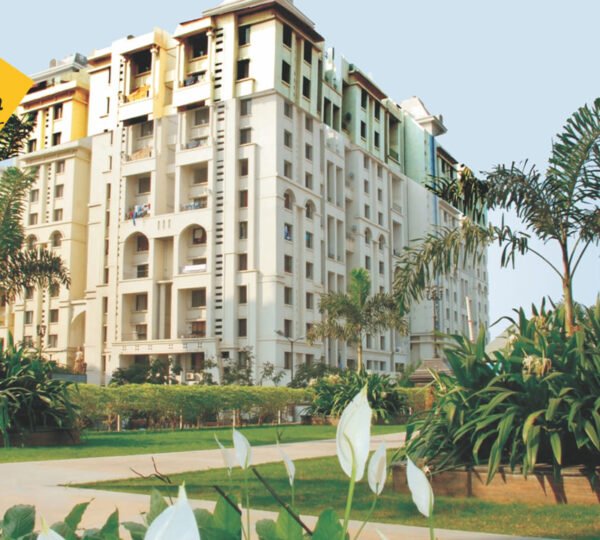
    Nirvaana Hill: Where Luxury Meets Tranquillity

    Nirvaana Hill is a reflection of Jain’s belief that modern living should also offer peace. Designed as a serene residential environment, the project focuses on openness, natural light, and calm surroundings.

    The homes are thoughtfully planned to create a bright, relaxing atmosphere, offering residents a retreat from the chaos of urban life. Sustainability elements, green surroundings, and efficient design make Nirvaana Hill an example of how luxury and mindfulness can coexist.

    It is not just a residential project—it is a lifestyle choice for those who value balance, comfort, and long-term well-being.

    45 Nirvana Hills

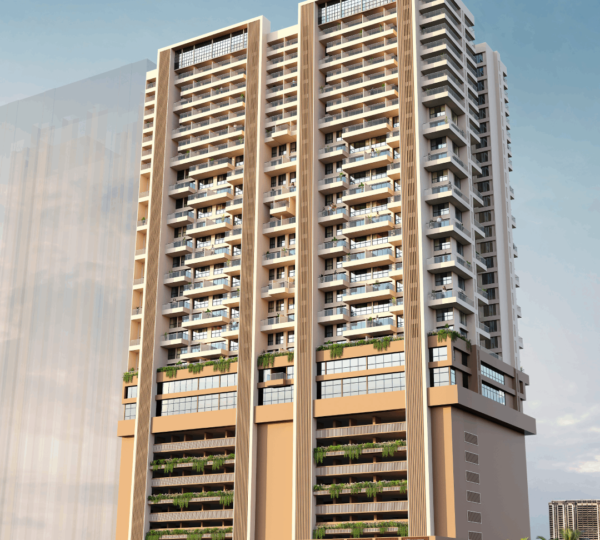
    Kumar Sophronia: Sophistication Designed for Modern Life

    Kumar Sophronia represents elegance, precision, and contemporary urban living. Built with state-of-the-art facilities, this project blends architectural finesse with everyday comfort.

    Every detail—from apartment layouts to shared amenities—reflects Lalit Kumar Jain’s insistence on quality assurance and stringent testing standards. The project caters to modern families who seek refined living spaces without compromising on durability or functionality.

    Kumar Sophronia stands as a symbol of how thoughtful design and disciplined execution can elevate residential experiences.

    KUL Utsav: A Community Built on Connection

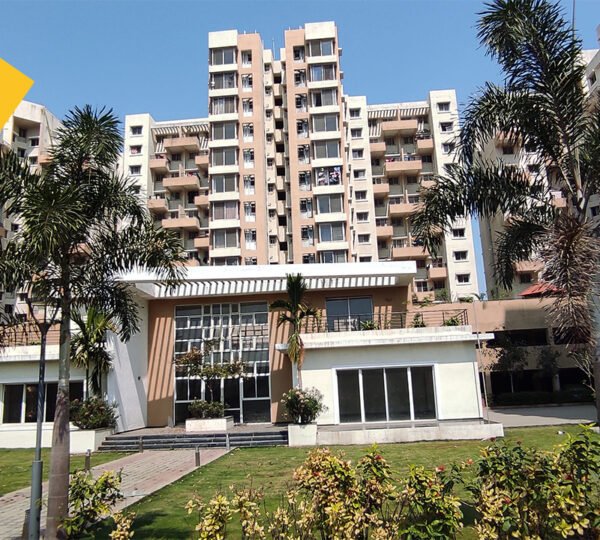
    While many projects focus only on individual living, KUL Utsav emphasizes community and shared experiences. Designed with vibrant architecture and multiple amenities, the project encourages interaction, social bonding, and a sense of belonging.

    Open spaces, recreational zones, and modern facilities make KUL Utsav more than a housing complex—it is a living ecosystem. This reflects Jain’s belief that real estate should nurture relationships, not isolate residents.

    KUL Utsav demonstrates how urban housing can foster joy, culture, and collective living.

    Kul-Utsav

    Leadership Beyond Projects: CREDAI and Industry Reform

    Lalit Kumar Jain’s influence extends far beyond Kumar Builders. As President of CREDAI, he played a pivotal role in transforming India’s real estate landscape.

    One of his most significant contributions was advocating for the Real Estate Regulation and Development Act (RERA). His push for accountability, transparency, and consumer protection reshaped the industry, restoring trust between developers and homebuyers.

    He also worked closely with policymakers to streamline approval processes, reduce bureaucratic delays, and improve regulatory efficiency—steps crucial for sustainable industry growth.

    His leadership at CREDAI set new ethical benchmarks and encouraged professionalism across the sector.


    Sustainability as a Core Belief

    Lalit Kumar Jain’s commitment to sustainability is not symbolic—it is operational. Across Kumar Builders’ projects, features such as:

    • Solar energy integration

    • Rainwater harvesting

    • Energy-efficient designs

    • Waste management systems

    • Green landscaping

    are standard practices. These initiatives reduce environmental impact while offering long-term savings and healthier living environments for residents.

    By making sustainability practical and scalable, Jain has inspired other developers to adopt eco-conscious practices, accelerating responsible urbanisation in India.


    Awards, Challenges, and Resilience

    Jain’s contributions have been widely recognised, including:

    • Man of the Year Award (2008) – Accommodation Times

    • Rashtriya Udyog Samman Puraskar (2006) – for economic and industry contribution

    However, his journey was not without challenges. During periods of high interest rates imposed by the Reserve Bank of India, housing affordability declined, affecting both buyers and developers. Jain openly addressed these issues, advocating reforms that balanced financial stability with industry growth.

    His resilience during economic uncertainty highlights his dedication—not just to his business, but to the real estate ecosystem as a whole.


    Conclusion: A Leader Whose Projects Reflect His Values

    Lalit Kumar Jain’s journey—from a teenage site supervisor to a nationally respected real estate leader—is defined by perseverance, learning, and purpose. His projects, especially Nirvaana Hill, Kumar Sophronia, and KUL Utsav, are not isolated achievements but extensions of his core beliefs: sustainability, quality, and community.

    Through Kumar Builders, he has shown that real estate can be ethical, environmentally responsible, and deeply human. His legacy continues to inspire the industry, proving that when vision is backed by integrity and action, it can shape cities—and lives—for generations.

    Leave a Comment